
The Challenge
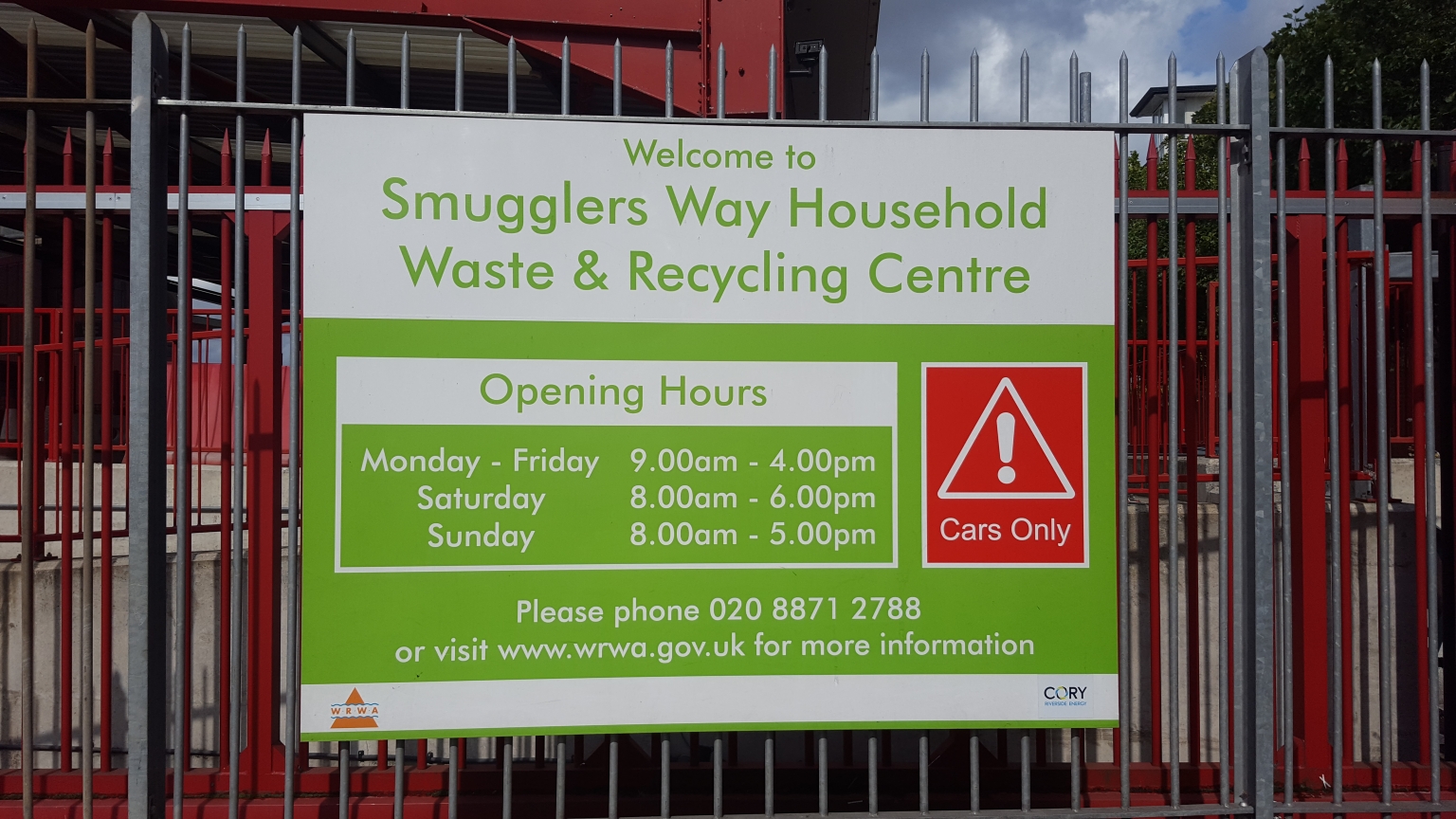
Western Riverside Waste Authority (WRWA) welcomes over 1,000 residents a day to the Smugglers Way Household Waste and Recycling Centre, making it one of the busiest sites in the UK. Serving 518,000 households across Hammersmith and Fulham, Kensington and Chelsea, Lambeth, Wandsworth, and Westminster, the site plays a vital role in managing local waste and recycling. However, this level of demand presented the authority with several challenges, including:
- Unauthorised Use: WRWA estimated that approximately 9% of visits were by non-residents and businesses misusing the site, leading to unnecessary strain on resources and £133,000 per year in additional costs.
- Traffic and Congestion: Long queues frustrated visitors and caused disruptions for residents and neighbouring businesses.
- Operational Inefficiencies: Irregular visitor patterns led to under- and over-utilised staff and uneven resource allocation, reducing operational efficiency.
- Escalating Costs: Inefficient on-site processes had led to an increase in operating expenses at a time when councils are expected to do more with less.
The Solution
Western Riverside outlined several key requirements for its booking system, including:
- Half-hour booking slots with a built-in grace period on either side to accommodate early or late arrivals and effectively redistribute demand.
- A sophisticated and robust booking engine capable of managing complex rules, workflows, and handling high booking volumes.
- Integration with on-site ANPR cameras and alert signage to monitor and prevent misuse.
- Same-day and same-hour booking functionality, offering flexibility to users.
- Safeguards to prevent block bookings, ensuring residents cannot book sequential time slots.
- A suite of customer communication tools designed to meet compliance standards and enhance user interactions.
- A comprehensive reporting suite for detailed insights and analytics.
How it works – combining bookings and ANPR:
- Residents book a time slot through WRWA’s website and receive automated comms.
- Bookings are automatically synced with the ANPR system.
- The system updates every 15 minutes, storing active bookings for the day, including grace periods.
- Upon arrival, the resident’s vehicle registration is scanned by the ANPR system.
- If no booking is found, the resident is denied entry until a booking is made. If a valid booking is detected, the system grants automatic access.
- Matrix signs, managed through the booking system’s back office, provide staff with visitor status alerts such as “Not Booked,” “Observe,” “Alert,” or “Banned”.
- Entry/exit times are recorded to optimise booking slots and grace periods.
The system is built on five key components: the customer journey, the admin portal, the on-site check-in app, the analytics suite, and the integration layer.
The Customer Journey
The online booking process is designed to be quick and user-friendly. Demonstrated by the fact that in a recent survey, 98% of users found the service easy to use. Western Riverside maintains total control over the data collected during the booking process through customisable question sets and business rules, ensuring a tailored and efficient experience. Users receive personalised guidance messaging, and criteria-based progressions to help them select the right options. Key features like address lookup, registration lookup, and waste type declarations further streamline the journey and prevent misuse at the point of booking. Residents also benefit from same-day or even same-hour bookings, supported by automated communications for confirmations, service updates, and amendments. This approach delivers a seamless and efficient booking experience for residents — evidenced by a recent survey in which 88% of users preferred this new approach to site management.
The Admin Portal
The admin portal empowers staff to efficiently oversee scheduling, resource allocation, communications, and reporting across multiple services, waste streams, and vehicle types. Time-saving features, such as a mass email panel, visitor alert lists, and banned lists, have helped staff streamline admin processes. Additionally, staff now have complete control over the service, enabling them to customise slot allocations, manage bookings, edit customer-facing forms, view ANPR data, update communication workflows, and adjust business rules. These tools ensure the system remains flexible and aligned with operational needs.
The Visitor Management App
This mobile/tablet check-in app lets staff see what’s going on across the site with real-time booking updates, visitor category alerts, vehicle of interest notifications, out-of-borough flags, high usage flags, banned lists, and a no-booking feature. Staff can also add notes to a booking, amend booking information, and more to reconcile information for accurate reporting.
The Analytics Suite
WRWA’s waste management team has access to a wealth of actionable data via the system’s analytics suite. They can explore interactive dashboards, generate customisable CSV reports, and utilise pre-built reports on various data points and KPIs. These include waste stream trends, ward usage, site utilisation, booking metrics, and much more.
The Integration Layer
The booking system also features a REST API layer, enabling seamless integration with other systems within the authority’s enterprise architecture. This connectivity enables the integration of ANPR and enhances workflows, automates tasks, and reduces operational silos.
The Implementation Process
The platform was introduced in phases: WRWA initially trialled the system over six months, and once its benefits became clear, they decided to adopt it for long-term use.
When commencing the trial period, WRWA launched a multi-channel communications campaign, which included distributing educational materials across their website, local news outlets, leaflets, social media, and signage to educate visitors about the new process. They also implemented a two-week grace period during the trial, allowing residents without a booking to still dispose of their waste after receiving on-site education from staff about the new system. This approach minimised confusion and led to high adoption rates and increased customer satisfaction. Any new initiative implemented by WRWA is now communicated using the booking system’s market-leading notification tools, saving time and money.
As part of the evaluation process, the authority gathered feedback from over 5,000 residents and staff. When transitioning to a permanent rollout, we worked closely with WRWA to leverage this data to develop new features and functionalities that delivered tangible long-term value.
WRWA now has a pioneering solution that effectively delivers on its strategic objectives. However, the authority still utilises the system’s notification tools and survey features to establish continuous feedback loops for new features and functionalities. This approach allows the authority to remain flexible and continue meeting the needs of its users.
The platform was introduced through a phased rollout: initially, KCC trialled the system, and once its benefits became clear, they decided to procure it for long-term use.
Hannah Allard, Waste Insight and Development Manager at Kent County Councils, adds:
We’re so proud of this product. It has transformed the service we deliver to our customers. If you’re thinking about it, I would really encourage you to try and get the booking system in.
How The System Delivered On The Authority’s Strategic Objectives:
Before the booking system was rolled out, queues at the Smugglers Way Recycling Centre often stretched up to a quarter of a mile. This congestion caused growing frustration among visitors, residents, and local businesses. Recognising the problem, the Authority stated that one of the main aims of the booking system trial was to reduce queuing and limit traffic build-up in the local area.
With the implementation of the booking system, WRWA significantly reduced off-site queuing by efficiently managing site capacity and redistributing visits, all without lowering demand. This success is underscored by a recent Eventure survey, which revealed that 97% of visitors no longer had to queue before entering the site.
Here’s How The Solution Helped Them Achieve This:
Step 1: WRWA knew that their centre could accommodate 60 cars on-site, with 24 available recycling bays. This meant that if there were 84 booking slots available every 30 minutes, there would be no need for off-site queuing (even if all the visitors arrived simultaneously).
Step 2: Leveraging data from their booking system, WRWA gained valuable insights into usage trends, allowing them to optimise slots daily and hourly instead of relying on a one-size-fits-all approach. This data-driven strategy has significantly enhanced site efficiency and improved resource allocation.
In 2019 alone, over 27,000 non-residents dumped waste at the Smugglers Way Recycling Centre, costing WRWA an estimated £133,000. Remarkably, after introducing a booking system, the total tonnage of waste delivered to Smugglers Way decreased by 760 tonnes, saving taxpayers approximately £200,000 a year. WRWA credits this significant reduction to the booking system, which effectively stops non-residents from misusing the site.
But How Exactly Has WRWA Leveraged Booking Technology To Achieve These Results?
By setting unique booking rules to stop non-residents from entering the site: Residents can no longer access the Smugglers Way Recycling Centre without a valid booking. To make a booking, visitors must fill in a series of required fields, including their address, contact details and number plate. Users can only complete the booking if an address is within the catchment area. Similarly, entry is typically denied if on-site staff find discrepancies between a visitor’s provided details and the booking record.
By integrating booking technology with on-site ANPR cameras: Upon arrival, ANPR cameras capture the vehicle’s registration details. If the system identifies a valid booking for that number plate, the resident is granted access. However, if the visitor hasn’t booked, exceeds usage limits, or is flagged as banned, the ANPR system alerts site staff, enabling them to take appropriate action.
This combination of strict booking protocols and advanced technology has proven instrumental in reducing site misuse and associated costs.
Mark Broxup, General Manager at Western Riverside Waste Authority, comments:
Our first objective was to control site usage and redistribute visits. Our second goals was to reduce the material delivered to the centre by stopping non-resident usage. We achieved all of this. Based on these results and visitor satisfaction surveys, our members voted to keep the system in place long-term.
The Results
WRWA’s HWRC Booking System has delivered impressive results, driving success across key strategic focus areas, including operational efficiency, financial performance, environmental sustainability, and user satisfaction.:
Notably, the council achieved an extraordinary 750% return on investment.
Cost Savings and Economic Impact
The booking system has generated over £200,00 a year in cost savings. A key factor behind this is its ability to limit non-resident usage, leading to a 7% reduction in waste tonnage.
The system has also cut communication costs by approximately £5,000 per year. Previously, tasks like running annual feedback surveys or managing site closures for maintenance and emergencies required expensive campaigns involving signage, press ads, and leaflets. Now, with features like block booking, bulk cancellations, customisable surveys, and mass email notifications, these processes are far more efficient.
WRWA can easily prevent bookings in advance, update the website instantly, and notify customers directly via email, saving time, money, and administrative effort.
Queue Reduction
Over 97% of visitors report no longer needing to queue before entering the site. This streamlined approach to site management has not only reduced traffic congestion but also enhanced community relations by alleviating the frustrations of residents and businesses affected by the previous traffic issues. Additionally, the improved traffic flow has contributed to safer road conditions around the site, minimised carbon emissions from idling vehicles, and allowed site staff to manage operations more efficiently.
The Chairman of the Riverside West Association adds:
From the residents I’ve spoken to, the system has been an overwhelming success, with far less noise from cars on the road, less pollution, fewer queues, and much more perceived control.
Environmental Benefits
WRWA has achieved a 9% increase in recycling rates, driven by the booking system’s ability to free up site staff. With fewer administrative burdens, staff can focus on educating visitors about proper recycling practices, leading to reduced waste contamination and more effective recycling efforts.
By promoting more efficient vehicle usage, the system has also increased the average waste load per vehicle. Combined with reduced queuing times—and fewer idling vehicles—this has significantly lowered the authority’s CO₂ emissions.
Beyond operational enhancements, the system’s advanced communication tools have empowered staff to effectively deliver recycling messages and spearhead targeted waste prevention initiatives.
User Satisfaction
A survey of 5,762 respondents revealed that 98% of visitors found the booking process easy, and 88% preferred retaining the system over reverting to the previous approach. No queues, enhanced communication, convenience, and increased support from site staff were cited as key service enhancements.
Operational Efficiency
AI-powered tools and automated scheduling have transformed the visitor experience by optimising slot allocations and virtually eliminating queues.
Controlling the number of site visits allows Western Riverside to allocate staff more effectively, preventing overstaffing or understaffing and reducing unnecessary overtime expenses.
With a predictable inflow of waste, staff can also efficiently plan the use of site equipment and transport vehicles. This proactive approach has not only reduced wasted capacity but also helped to avoid the costly disposal methods associated with unexpected surges in volume.
Sophisticated analytics tools further these advancements by delivering clear, actionable insights that drive smarter decision-making. The system has enabled more informed budgeting, optimised resource allocation, and modelling strategic cost-saving initiatives by leveraging data on waste trends and resident behaviour.
With detailed information on waste types and volumes at the district and ward levels, the authority can now design targeted education and outreach programs. These initiatives reduce waste management costs and streamline on-site processes, fostering more efficient and sustainable operations.